News
Galaxy Messier 74 Doubled in Size in Under a Billion Years, Study Finds
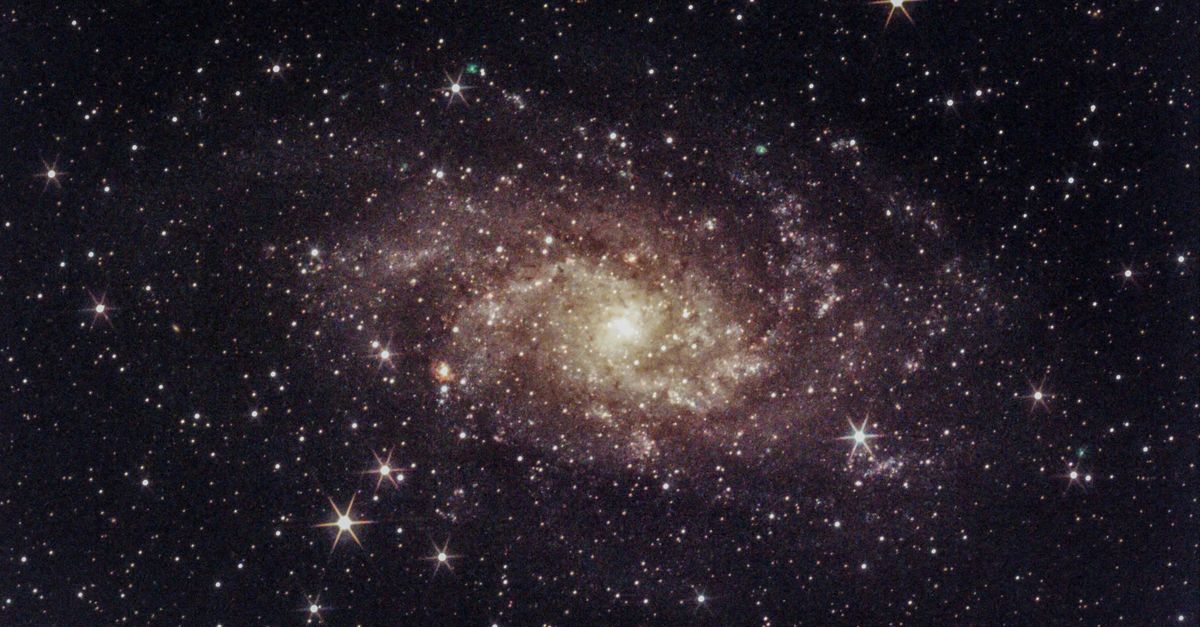
Astronomers using a telescope at the Teide Observatory in Tenerife have found that the galaxy Messier 74 underwent a rapid, "explosive" growth phase, according to reports from National Geographic España and other Spanish outlets. The observations show the galaxy added a new disk of stars in less than one billion years, extending its reach to nearly 100,000 light-years from its center.
Ignacio Ruiz, an astrophysicist involved in the work, described the finding to National Geographic España, noting that this new stellar disk emerged in a relatively short cosmic timeframe. The result challenges the traditional view that galaxies grow slowly and steadily over billions of years, as La Voz de Galicia and elDiario.es also reported.
The discovery was made using instruments at the Teide Observatory, a facility on the island of Tenerife that is part of the Instituto de Astrofísica de Canarias (IAC). According to Diario de Avisos, the telescope captured evidence that Messier 74 essentially doubled its size in what astronomers consider a record time for such a structural change.
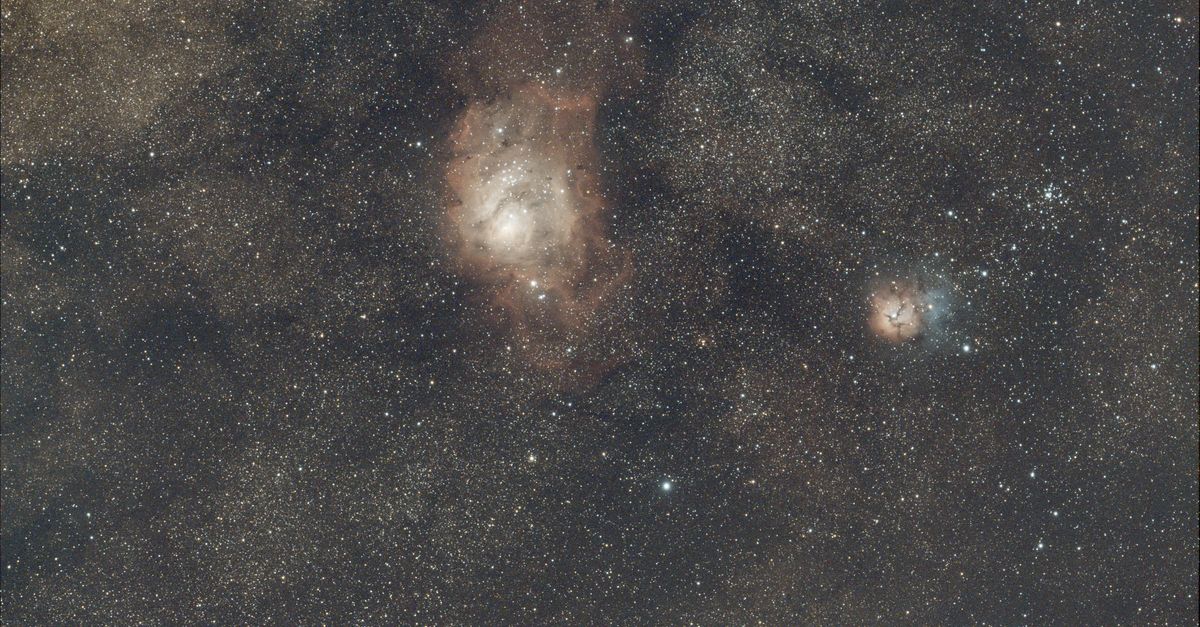
Messier 74, also known as M74, is a spiral galaxy located roughly 32 million light-years away in the constellation Pisces. The new observations suggest that galaxy formation may include sudden bursts of growth rather than only gradual accumulation of stars, a possibility that several outlets noted could shift thinking in modern astrophysics.
The IAC team’s findings, as summarized by Eldía, point to Messier 74 as a clear example of this explosive mechanism at work. Researchers will likely continue studying similar galaxies to determine how common such rapid expansion events are in the universe’s history.
88 views